

Table of Contents
- What Are Athletic Fit Shorts
- Key Fabric Technologies in Athletic Shorts
- Fit Profiles: Understanding Muscle Fit vs. Relaxed Fit
- Best Shorts for Muscular Legs
- Men's Shorts and Inseam Length Guide
- How to Style Athletic Shorts Beyond the Gym
- Durability and Long-Term Wear: What to Expect
- Frequently Asked Questions
Last Updated: October 1, 2026
What Are Athletic Fit Shorts
Athletic fit shorts are tailored specifically for people with muscular builds, offering extra room through the thighs and glutes whilst maintaining a simplified fit at the waist and calves. Unlike standard shorts that either bag out or restrict movement, athletic fit shorts balance comfort with a sharp silhouette that actually flatters your physique rather than hiding it.
The key difference lies in how the fabric distributes across your body. A properly designed athletic fit short accommodates larger muscle groups without creating excess fabric around your midsection. This is where most off-the-rack options fail. Brands either size up to fit your legs, leaving you swimming in fabric at the waist, or they stick to standard cuts that bunch and restrict when you move.
How Athletic Fit Differs from Regular Shorts
Regular shorts follow a uniform cut from waist to hem. They assume a relatively proportional body shape. For anyone with developed quads, glutes, or calves from strength training, this becomes a problem immediately. The thigh area pulls tight, seams strain under load, and the overall fit looks sloppy no matter what size you choose.
Athletic fit shorts use what's called a tapered fit profile. The shorts sit comfortably at your waist, expand generously through the thigh to accommodate muscle mass, then taper back down toward the knee and calf. This creates a balanced silhouette that highlights your physique rather than fighting against it. The difference is architectural, not just a matter of picking a larger size.
Another critical distinction is construction. Athletic fit shorts often feature a gusseted crotch, an extra triangular panel of fabric sewn into the crotch seam. This reinforced design prevents seam failure during high-intensity movement like squatting or lunging.
Key Fabric Technologies in Athletic Shorts
The fabric itself makes or breaks an athletic fit short. Two technologies matter most: moisture-wicking and four-way stretch.
Moisture-Wicking and Quick-Dry Properties
Moisture-wicking fabrics pull sweat away from your skin and move it to the outer surface of the material, where it evaporates faster. This keeps you dry during intense training and prevents that clammy, uncomfortable feeling when you're pushing hard.
Quick-dry technology takes this further. The fabric is engineered to shed moisture rapidly, so even if you're soaked through during a session, the shorts dry quickly once you stop sweating. This matters for gym sessions, outdoor workouts, and gym-to-street transitions where you need to look presentable without changing clothes.
Most quality athletic shorts use synthetic blends, polyester, nylon, or elastane combinations, rather than cotton. Cotton absorbs moisture and holds it, making you feel heavier and staying damp longer. Synthetics repel moisture by design, which is why every serious athletic brand uses them.
Four-Way Stretch and Range of Motion
Four-way stretch means the fabric stretches in all directions: lengthwise, widthwise, and diagonally. This gives you unrestricted movement whether you're squatting, lunging, walking, or sitting. Without four-way stretch, you get binding, restricted range of motion, and that constant awareness that your clothes are fighting you.
The stretch comes from elastane (also called spandex or Lycra) woven into the fabric. Quality athletic shorts typically contain 10-15% elastane. This gives you the stretch you need without sacrificing durability or creating that shiny, cheap look of over-elasticated fabrics.
Range of motion is essential for athletic performance. You need shorts that move with your body, not against it. When fabric has proper stretch and a thoughtful cut, you forget you're wearing shorts at all. That's the benchmark.
Fit Profiles: Understanding Muscle Fit vs. Relaxed Fit
Muscle fit and relaxed fit represent opposite ends of the spectrum, and the choice depends entirely on your aesthetic and activity.
Muscle fit shorts hug your physique closely. They emphasise your quad definition, glute shape, and overall muscularity. If you've put in the work to build a strong physique, muscle fit lets that work show. These shorts are ideal for the gym, confidence-building casual wear, and anywhere you want your build to be visible.
Relaxed fit shorts offer more breathing room. They sit looser through the thigh and hip whilst still accommodating your size. Relaxed fit works better for all-day wear, office settings, or when you want comfort without the emphasis on physique. Many people find relaxed fit more versatile for transitioning between gym and street.
The distinction matters because athletic fit shorts come in both profiles. You're not choosing between athletic and non-athletic, you're choosing how tight you want the athletic fit to be. A muscle fit short is still athletic fit; it's just a tighter version.
Best Shorts for Muscular Legs
If your quads and glutes are significantly larger than average, you need shorts engineered specifically for that reality. Standard athletic wear fails because it's designed for lean athletes, not strength athletes.
Thigh Accommodation and Tapered Design
The thigh is where most shorts fail for muscular builds. A proper athletic fit short gives you genuine extra room through the thigh, not just a half-inch more, but a meaningful difference that prevents seams from pulling and fabric from bunching.
Hyper Stretch Shorts In Olive Green →
Tapered design is essential here. You want that extra room in the thigh, but you don't want the shorts to look baggy below the knee. A well-tapered athletic fit short stays fitted at the calf, creating a clean line that flatters rather than obscures your leg shape.
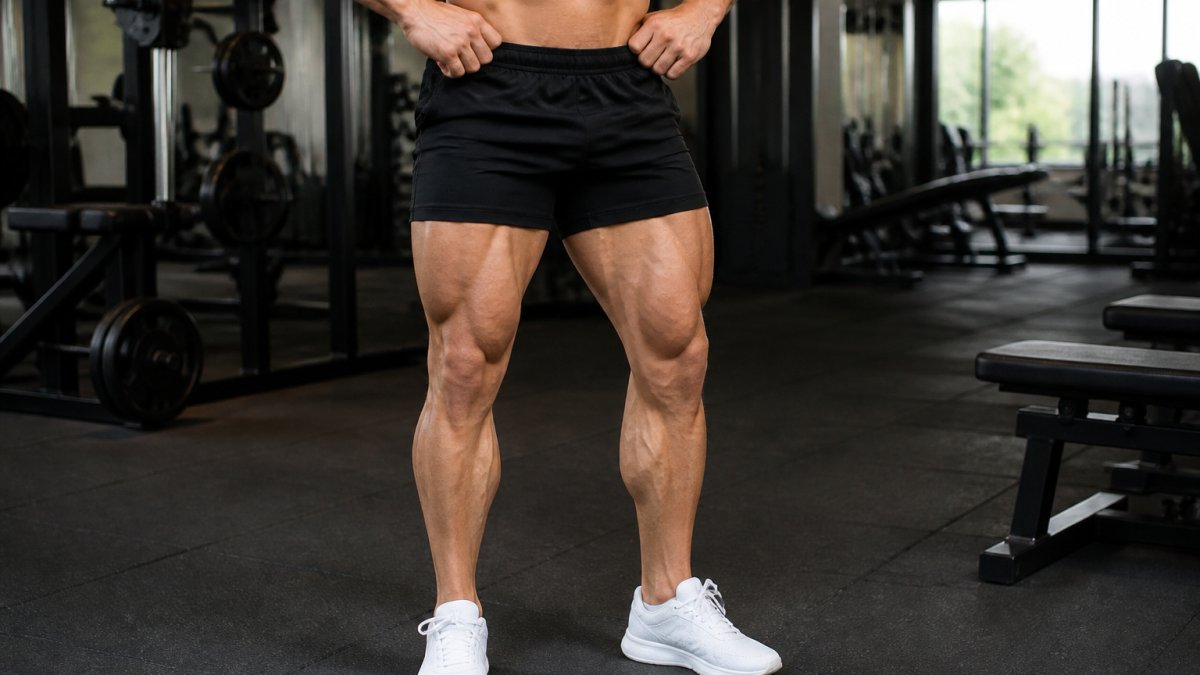
Gusseted Crotch and Durability Features
A gusseted crotch is non-negotiable if you're serious about durability. This reinforced panel prevents the most common failure point in shorts, the crotch seam splitting under load. For anyone doing heavy squats, lunges, or explosive movements, a gusseted crotch adds months or years to the lifespan of your shorts.
Beyond the gusset, durability comes down to seam construction. Look for reinforced stitching at stress points: the crotch, the side seams, and where the waistband attaches.
At Fitizen, our Hyper Stretch Shorts 2.0 are engineered with these durability principles. They feature an internally strengthened crotch area, four-way stretch fabric, and a tapered fit designed specifically for muscular legs. The shorts fit true to your waist size whilst providing extra space in the thigh, exactly what most lifters and athletes are looking for. Available in Jet Black, Navy Blue, Khaki, and Olive Green at £62.00, they're designed to handle intense training without sacrificing style.

Men's Shorts and Inseam Length Guide
Inseam length is often overlooked but critically important for how shorts fit and look on your body.
A short inseam length, typically around 5 inches, sits just above the knee, offering a modern, tailored look that works for most body types. This length balances coverage with freedom of movement. Your leg isn't exposed too much, but you're not restricted by fabric running down to mid-calf.
For men with muscular legs, a shorter inseam is often ideal. It showcases your quad and calf definition without looking too short. If you're particularly tall or have a longer leg, you might prefer a longer inseam, which provides more coverage and a slightly more conservative aesthetic.
The rule of thumb: when shorts are sitting properly at your waist, the hem should hit just above your knee. Inseam length determines this final fit, so measure your current shorts and know your preference before ordering.
How to Style Athletic Shorts Beyond the Gym
Athletic shorts don't have to live exclusively in your gym bag. With the right styling, they transition seamlessly into casual, professional, and social settings.
Gym-to-Street Versatility
The key to gym-to-street styling is choosing shorts in neutral colours and pairing them with intentional tops and footwear. Black, navy, khaki, and olive green shorts work everywhere because they're inherently versatile. Bright neon or graphic prints limit where you can wear them.
For casual street wear, pair athletic shorts with a fitted t-shirt or casual button-up. This creates visual balance; your shorts are fitted and athletic, so your top should be equally tailored. Oversized or baggy tops make the overall look sloppy.
Footwear matters more than most people realise. Clean trainers (white leather, neutral tones) elevate athletic shorts into casual-smart territory. Worn-out gym trainers or slides read as purely athletic wear. If you're aiming for gym-to-street versatility, invest in one pair of quality, neutral trainers that work with multiple outfits.
Layering adds another dimension.
Storage Solutions and Practical Features
Beyond aesthetics, practical features determine whether athletic shorts actually work for your lifestyle. Zippered pockets are essential if you're carrying valuables. Standard fabric pockets can lose items during movement, especially during high-intensity training or running.
Durability and Long-Term Wear: What to Expect
The first failure point is usually the gusset or crotch seam, which is why reinforcement matters so much.
Frequently Asked Questions
What's the difference between athletic fit shorts and regular shorts?
Athletic fit shorts are engineered with extra room through the thigh and glute area to accommodate muscular builds, whilst maintaining a tapered fit at the waist. Regular shorts typically use a one-size-fits-all cut that creates bagginess around the legs or tightness at the waist. Athletic fit shorts also feature four-way stretch fabrics and moisture-wicking technology designed for movement and performance, whereas standard shorts often lack these technical properties.
Will hyper-stretch fabric lose its shape after washing?
Quality hyper-stretch fabrics maintain their elasticity through multiple wash cycles when cared for properly. Fitizen's Hyper Stretch Shorts 2.0 are designed with durable stretch construction that resists sagging. To preserve shape, wash in cold water, avoid excessive heat drying, and follow care instructions. Inferior stretch fabrics do lose elasticity quickly, but performance-grade materials used in athletic wear are engineered to resist this degradation through intensive training and regular washing.
Are athletic fit shorts suitable for casual wear and professional settings?
Yes, athletic fit shorts work well for casual settings and can transition from gym to everyday wear when styled appropriately. Neutral colours like khaki, navy, and black pair easily with casual tops and trainers for a put-together look. However, most athletic shorts are designed for active or casual environments rather than formal office settings. Their tailored fit and technical fabrics make them more suitable for gym-to-street versatility than traditional business wear.
What inseam length should I choose for athletic fit shorts?
Inseam length depends on your height and personal preference. A short inseam, typically around 5 inches, suits most athletic builds, offering good mobility for high-intensity training. The best fit should allow full range of motion during squats and intense movement without excess fabric bunching at the knee or riding up during activity.