

Last Updated: November 5, 2026
Quick Summary
Bamboo fabric is soft, breathable and comfortable for indoor training and everyday wear, which makes it a good choice for lighter sessions and gym-to-street use. It is less suited to heavy sweating, since it dries more slowly than polyester, and it is not a standalone cold-weather layer.
- Bamboo fabric feels soft and suits comfort-focused, all-day wear.
- Polyester dries faster, so it suits the hardest, sweatiest training blocks.
- Choose lightweight, 130 to 160 gsm bamboo for warm gyms and summer sessions.
- Pure bamboo viscose has modest stretch, so look for a small elastane content.
- Wash bamboo inside out on a cool cycle and air dry to prevent pilling and shape loss.
Table of Contents
- Why Bamboo Fabric Is Being Used in Performance Shirts
- Bamboo Fabric Moisture Wicking: How It Handles Sweat During Training
- Breathability and Temperature Regulation for Gym and Outdoor Use
- Bamboo vs Polyester Shirts: Which Suits Hard Training Better
- Stretch, Fit and Durability for Muscular Builds
- Bamboo Fabric Disadvantages You Should Weigh Before Buying
- How to Wash Bamboo Clothing So It Keeps Its Performance
- Choosing Your First Bamboo Training Shirt From the Fitizen Range
- Frequently Asked Questions
Bamboo fabric has moved from eco-friendly casualwear into the training bag, and for good reason. For lifters and athletes who sweat hard and want fabric that moves with them, the case for bamboo is real, but it has limits. This guide from Fitizen explains where bamboo performs well, where it falls short, and how to choose a shirt that suits your training.
Why Bamboo Fabric Is Being Used in Performance Shirts
Bamboo fabric is a soft, breathable material that many brands now use for training wear. Its appeal comes from three things: a smooth, silky feel against the skin, good moisture handling, and a fibre source that many shoppers see as more sustainable than standard synthetics.
It is worth being clear about what "bamboo" means in practice. Many bamboo garments are made from bamboo-derived viscose or from newer regenerated fibres rather than raw bamboo stalk. Gracell fibre, which is made from wood pulp, is a different fibre from the bamboo used in our bamboo tees. Check the fabric label on any product before you buy.
For lifters, the practical draw is comfort during long sessions. A fabric that feels good against the skin is easier to wear through a heavy leg day than one that clings or scratches.
Bamboo Fabric Moisture Wicking: How It Handles Sweat During Training
Moisture handling matters most when you are sweating heavily between sets. Bamboo fabric tends to absorb moisture and release it, which helps the shirt feel less heavy and clammy than a cotton shirt.
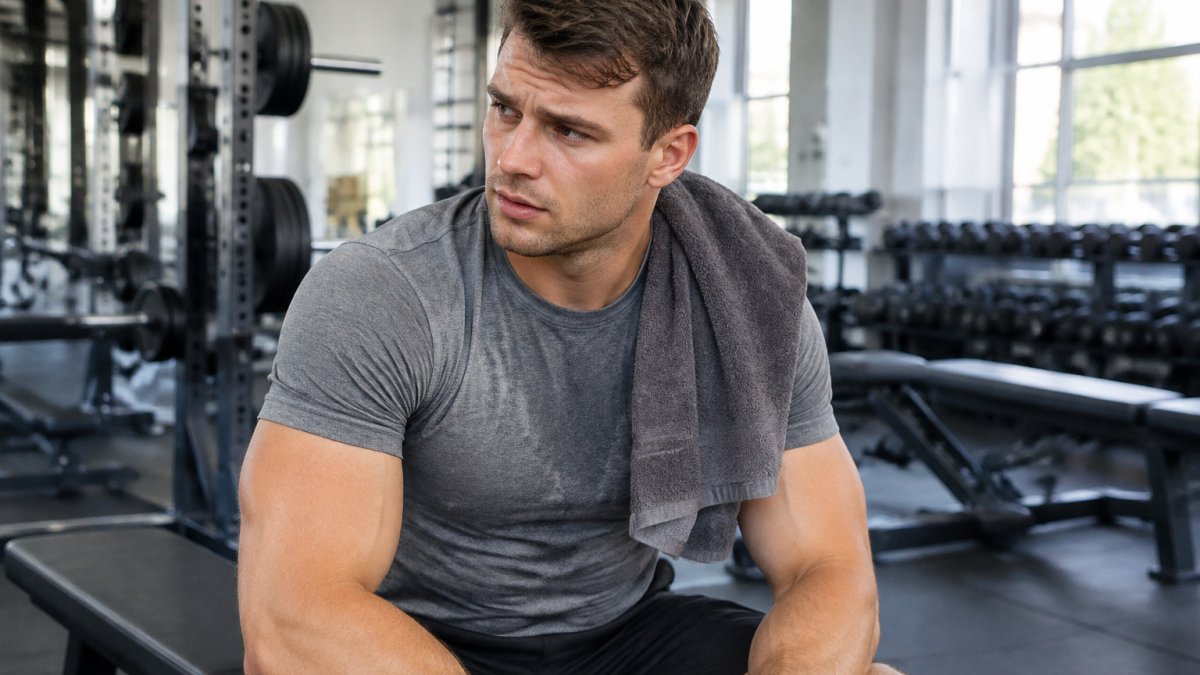
Be realistic, though.
Our Bamboo Tee In Army Green is designed to absorb moisture and regulate temperature, which suits warmer sessions and summer training.
Breathability and Temperature Regulation for Gym and Outdoor Use
Breathability is not a single property. It is the result of fabric weight (usually quoted in grams per square metre, or gsm), knit structure, and how much air the fit allows to move across the skin. Two bamboo tees from the same brand can behave very differently if one is a 140 gsm single jersey and the other is a 220 gsm interlock.
As a working guide for training wear:
- Lightweight (roughly 130-160 gsm): best for warm gyms, indoor circuits, and summer outdoor sessions. More air moves through the knit, so heat escapes faster, but the fabric can cling once saturated.
- Midweight (roughly 160-200 gsm): the most versatile range for lifters. Enough structure to hold its shape across the chest and shoulders without trapping heat in a climate-controlled gym.
- Heavyweight (200 gsm and above): better for cool-weather base layers and gym-to-street wear. It will feel warmer in a packed weights room, so treat it as a cool-condition shirt rather than a hot-session one.
Knit structure matters as much as weight. A single jersey knit is thinner and more air-permeable; an interlock or rib knit is denser, holds shape better, and is warmer. If a product page does not state gsm, look at the fabric description and the fit notes, a 'lightweight, breathable' description usually signals the lower end of the range.
For indoor training and mild outdoor conditions, bamboo is a sensible breathable choice. For cold, wet or windy outdoor sessions, it will not replace a proper layering system. Use it as a base or mid layer, not as a waterproof or windproof outer layer. A common pattern among lifters who train outdoors in winter is a bamboo base layer under a wind-resistant shell, with the shell removed once the warm-up is done.
Watch out: a heavier bamboo tee worn in a hot, poorly ventilated gym will trap heat regardless of how breathable the fibre is marketed as being. Match the weight to the room, not just to the fibre.
Fit also changes how a shirt breathes. A close-fitting top moves sweat to the fabric faster but leaves less air gap; a looser cut allows more airflow but can bunch under a hoodie or jacket. For lifting, a fitted cut that still allows a full overhead press without the hem lifting is the practical compromise.
The article breaks down the three main weight ranges for training wear and what each suits best.
| Weight (gsm) | Best for | Key note |
|---|---|---|
| 130-160 (lightweight) | Warm gyms, indoor circuits, summer outdoor | Heat escapes faster, but can cling when saturated |
| 160-200 (midweight) | Most lifters, versatile use | Holds shape across chest and shoulders |
| 200+ (heavyweight) | Cool-weather base layers, gym-to-street | Feels warmer in a packed weights room |
Bamboo vs Polyester Shirts: Which Suits Hard Training Better
Bamboo suits a different need. It feels soft and is designed for comfort, and it can work for lifters who want a shirt that looks good outside the gym.
- Choose polyester for: maximum sweat handling, fast drying, the hardest training blocks
- Choose bamboo for: comfort, all-day wear, lighter-intensity sessions, gym-to-street use
Neither fabric wins on every point. Match the shirt to the session.
Stretch, Fit and Durability for Muscular Builds
Fit is where many lifters struggle. Standard sizing often leaves the chest or shoulders tight while the waist hangs loose. Our muscle fit range is designed to fit a muscular build.
Stretch matters too. A shirt needs enough give to move across the shoulders and chest without restricting the press or pull. Look for fabrics that state their stretch properties and read the fit notes carefully.
On durability, bamboo blends can pill or lose shape faster than tightly knitted synthetics if they are washed roughly or dried on high heat. Careful washing extends the life of any training shirt.
Bamboo Fabric Disadvantages You Should Weigh Before Buying
Most bamboo guides list drawbacks without explaining why they happen, which makes them hard to apply. The trade-offs below are the ones that actually affect training wear, with the mechanism behind each.
Slower drying under heavy sweat loads. Bamboo-derived viscose absorbs moisture readily, but it releases it more slowly than engineered polyester. In practice, a bamboo shirt that is soaked after a high-volume session can stay damp for longer, which matters if you are training twice a day or commuting straight from the gym. For sweat-heavy sessions, a polyester or polyester-blend shirt dries faster.
Shape loss and pilling with rough washing. Viscose fibres are weaker when wet, so high heat and aggressive tumbling break down the surface and cause pilling. This is a care issue more than a fibre flaw: washed cool and air-dried, a bamboo blend holds its shape well; washed hot and tumble-dried, it can lose fit within a few months.
Higher price than basic synthetics. The trade-off is comfort and all-day wear rather than raw performance.
Not a standalone cold-weather layer. Bamboo is not windproof or waterproof, so it will not keep you warm in cold, wet conditions on its own. It works as a base or mid layer under a shell.
Limited stretch unless blended. Pure bamboo viscose has modest natural stretch. For lifting, look for a blend that states its elastane content, a small percentage of elastane makes a noticeable difference to shoulder and chest movement.
A practical way to weigh these is to match the shirt to how often you train and how you wash. If you train most days and wash after every session, the drying speed and care requirements matter more than the price difference. If you train a few times a week and want a shirt that works in and out of the gym, the comfort and appearance advantages usually outweigh the slower drying.
Watch out: buying a bamboo tee as your only cold-weather outdoor shirt will leave you under-layered. Treat it as part of a layering system, not a replacement for one.
How to Wash Bamboo Clothing So It Keeps Its Performance
Good washing habits make a real difference to how long bamboo training wear lasts.
- Wash inside out on a gentle or cool cycle
- Use a mild detergent and avoid fabric softener, which can coat the fibres and reduce moisture handling
- Avoid bleach and harsh stain removers
- Air dry flat or on a hanger, away from direct heat
- Wash after each heavy session so sweat does not sit in the fabric
Following these steps helps the shirt keep its fit, feel and moisture performance for longer.
Choosing Your First Bamboo Training Shirt From the Fitizen Range
If you are new to bamboo training wear, start with a fabric that suits how you train. For hot sessions and everyday comfort, our Bamboo Tee In Army Green and Bamboo Tee In Burgundy are built for breathability and temperature control, both priced at £39.00.
For a fitted, performance-focused cut, our High Performance Shirt In Pure White (£51.75) and High Performance Shirt In Jet Black (£69.00) use Gracell fibre and are designed to move without restriction.
Browse the high performance shirt collection to compare the fitted options, or look at the hyper stretch shirts if stretch is your top priority. If you are weighing fibre choice, the Gracell-fibre muscle fit shirt is a good place to see how the fabric is built.

For a fuller independent look at fit and durability, read our Muscle Fit Basics review. If you want to understand how garments stay fitted across the back and waist, our guide on preventing gaping in fitted clothing covers the basics.
Whichever shirt you choose, pick the fabric that matches your training and your wardrobe, and wash it with care to get the most out of it.
Frequently Asked Questions
Is bamboo fabric good for high-performance shirts?
Bamboo fabric can work well for high-performance shirts because it is soft, breathable and handles moisture reasonably well. Fitizen's High Performance Shirts use Gracell fibre, which is made from wood pulp, to combine silky softness with high tenacity and stretch. Bamboo suits moderate to warm training and everyday wear best. For very intense, high-sweat sessions, check the fabric's specific moisture behaviour and fit before deciding, since a fabric that feels comfortable at rest may behave differently under heavy exertion.
Does bamboo fabric wick sweat?
Bamboo fabric absorbs moisture and helps move it away from the skin, which is why the Bamboo Muscle Tee is marketed for staying fresh and dry. Wicking performance depends on the weave, weight and finish of the fabric, so results vary between garments.
Is bamboo fabric better than polyester for workout shirts?
Neither is better in every case. If you train hard in heavy sweat, a fast-drying synthetic may suit you. If comfort and a natural feel matter more, bamboo is a reasonable choice. Fitizen offers both bamboo tees and Gracell-based shirts, so you can compare them for your own training.
How should you wash bamboo performance shirts?
Wash bamboo shirts in cool or lukewarm water on a gentle cycle, inside out, to protect the fibres and stretch. Avoid harsh detergents and fabric softeners, which can coat the fabric and reduce its moisture handling over time. Air drying is best, as high heat in a tumble dryer can cause shrinkage and weaken elasticity. Following these steps helps keep the fit and softness of your Fitizen shirts for longer.
