


Last Updated: November 16, 2026
Quick Summary
A muscle fit pullover is a close-cut sweatshirt with a tapered body, deeper armholes and extra room through the upper arm. It follows a built physique without restricting movement, so the chest, shoulders and arms stay fitted while you train.
- Check the arm raise test: the hem should stay near your waist and the shoulders should not pull.
- Do the chest breath test: fabric should stretch smoothly without straining at buttons or seams.
- If the chest pulls when you breathe in, go up a size rather than accept the strain.
- Choose a heavier french terry for cooler days and outdoor sessions.
- Wash inside out in cool water and avoid high heat, which breaks down elastane fastest.
Table of Contents
If you have ever bought a hoodie that felt fine on the shoulders but pulled tight across the arms, you already know the problem. A muscle fit pullover is cut to follow a built physique rather than fight it. At Fitizen, we design our pullovers around that exact trade-off, so the fit hugs the chest, shoulders and arms without restricting movement.
A muscle fit pullover is a close-cut sweatshirt built with a tapered body, a deeper armhole and extra room through the upper arm. Slim fit usually means a narrower cut overall, which can feel tight across a broad chest or thick shoulders. Regular fit gives looser room everywhere, which often reads as baggy on an athletic frame.
The key difference is where the fabric sits. A muscle fit pullover tapers at the waist and keeps a clean line across the torso, while still allowing the arms to move freely. For lifters and athletes, that balance matters more than a generic size label.
We recommend starting with our Muscle Fit Pullover In Deep Blue, which uses the same muscle fit design across the chest and shoulders. For a broader overview of how the cut, fit and fabric work together, see our Muscle Fit Basics Review.
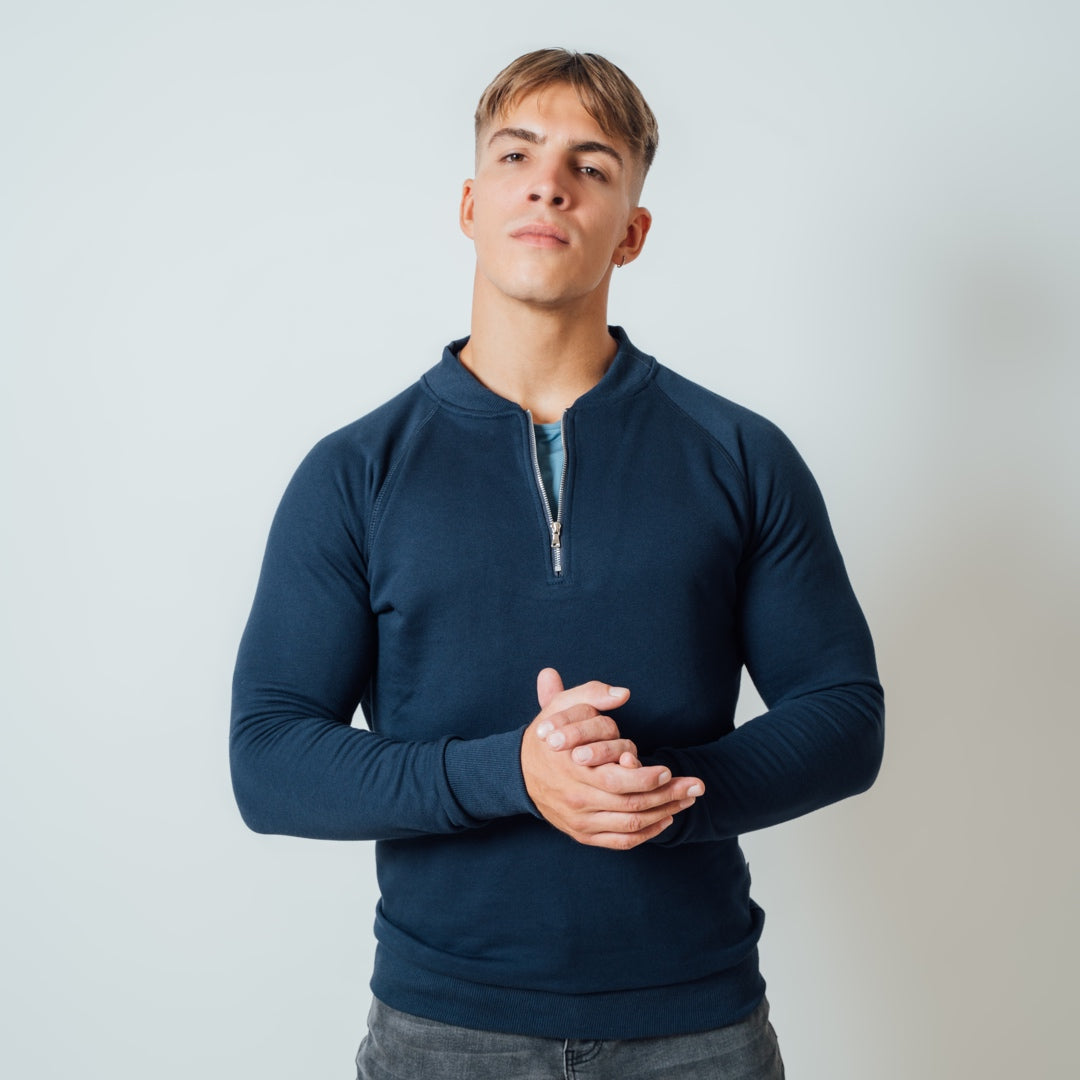
How a Muscle Fit Pullover Should Fit Through the Chest, Shoulders and Arms
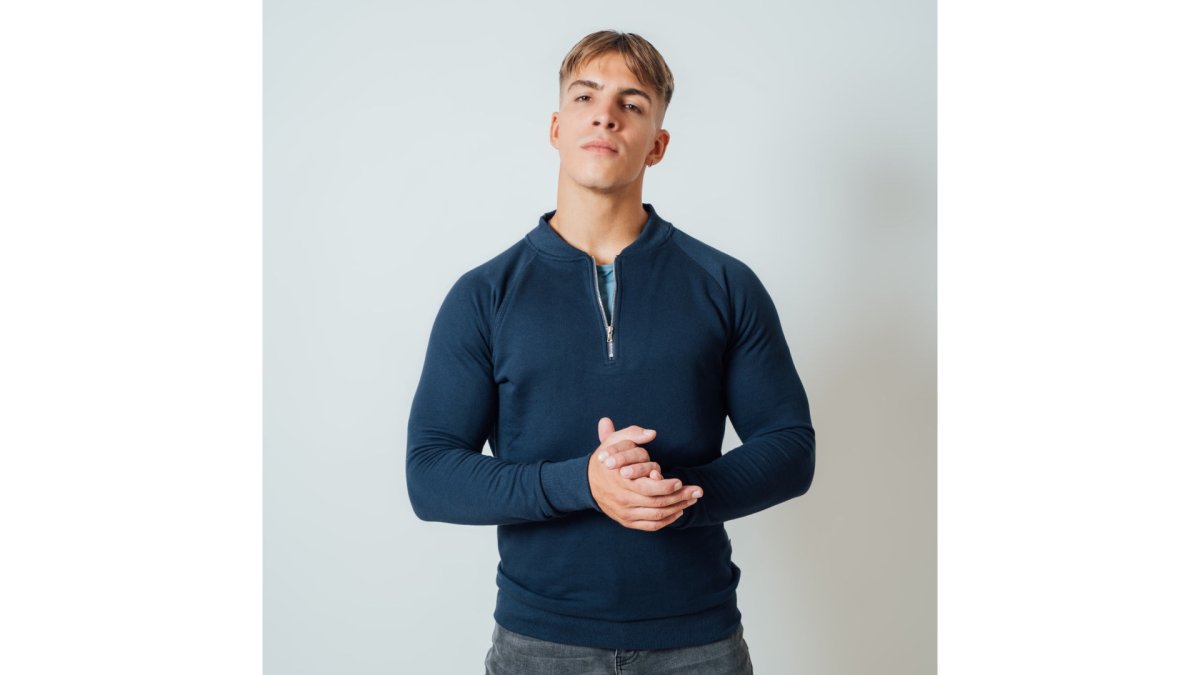
A well-fitted muscle fit pullover should sit close through the chest and shoulders without pulling at the seams. The fabric should follow your shape when your arms are at rest. When you lift your arms, the garment should move with you rather than riding up or tightening across the back.
Pay particular attention to the armholes. If they cut into the top of your arm or restrict your shoulder when you raise it, the fit is too tight. A correct muscle fit keeps the armhole clean and the sleeve filled without bunching.
Fit-Check Guide: Four Tests to Do in the Mirror
Run these four checks before you commit to a pullover:
- Arm raise test: Raise both arms overhead. The hem should stay near your waist and the shoulders should not pull.
- Chest breath test: Take a full breath in. The fabric should stretch smoothly, not strain at the buttons or seams.
- Shoulder seam test: The shoulder seam should sit at the edge of your shoulder, not slide down your arm.
- Waist test: The hem should taper neatly without bunching around your midsection.
Watch out: if the pullover pulls across the chest when you breathe in, go up a size rather than accepting the strain, because the fabric will not relax further.
Choosing a Size and Accounting for Stretch
Check our Mens Size Guide and measure your chest, shoulders and arms before ordering. A garment should still fit comfortably in its unstretched state.
If you sit between two sizes, consider the activity you have in mind. For heavy lifting and high-range movement, the larger size gives more room. For a sleeker everyday look, the smaller size will sit closer to the body.
Fabric Composition: Cotton, Polyester and Elastane Explained
Fabric decides how a muscle fit pullover feels and holds its shape. Most stretch pullovers combine a base fibre with an elastic component. Cotton gives a soft, natural handle and breathes well. Polyester adds strength and helps the garment keep its shape wash after wash. Elastane (also sold as spandex) provides the stretch that lets a close fit move with you.
Our pullovers use a soft french terry construction with our signature Hyper Stretch material.
Stretch Fabric Pullovers: How Much Stretch Do You Actually Need?
More stretch is not always better. A fabric with very high elastane content can feel tight at first and may lose recovery faster over time. For most gym and everyday wear, a moderate stretch with good recovery gives the best balance of comfort and shape.
If you train hard and move through deep squats or overhead pressing, prioritise recovery over maximum stretch. Look for fabrics that return to their original shape after you stretch them, not just ones that feel stretchy in the shop.
Matching Fabric and Fit to Your Activity and Climate
Choose a heavier french terry for cooler days and outdoor sessions, where warmth matters more than airflow. For more on picking the right stretch level, see our best stretch fabrics for athletic wear guide. For indoor training and warmer weather, a lighter-weight knit keeps you comfortable during longer sessions. Match the fabric to how and where you will wear it, and the fit will feel right for longer. Our complete athletic fit hoodie guide walks through how fit and fabric suit active use.
Caring for Stretch Pullovers So They Keep Their Shape
Wash inside out in cool water and avoid high heat in the dryer. Heat and harsh detergents break down elastane fastest. Hang or lay flat to dry where possible. Following these steps helps the fit last, so your pullover keeps its close line rather than sagging.
Choosing Your Muscle Fit Pullover: Next Steps
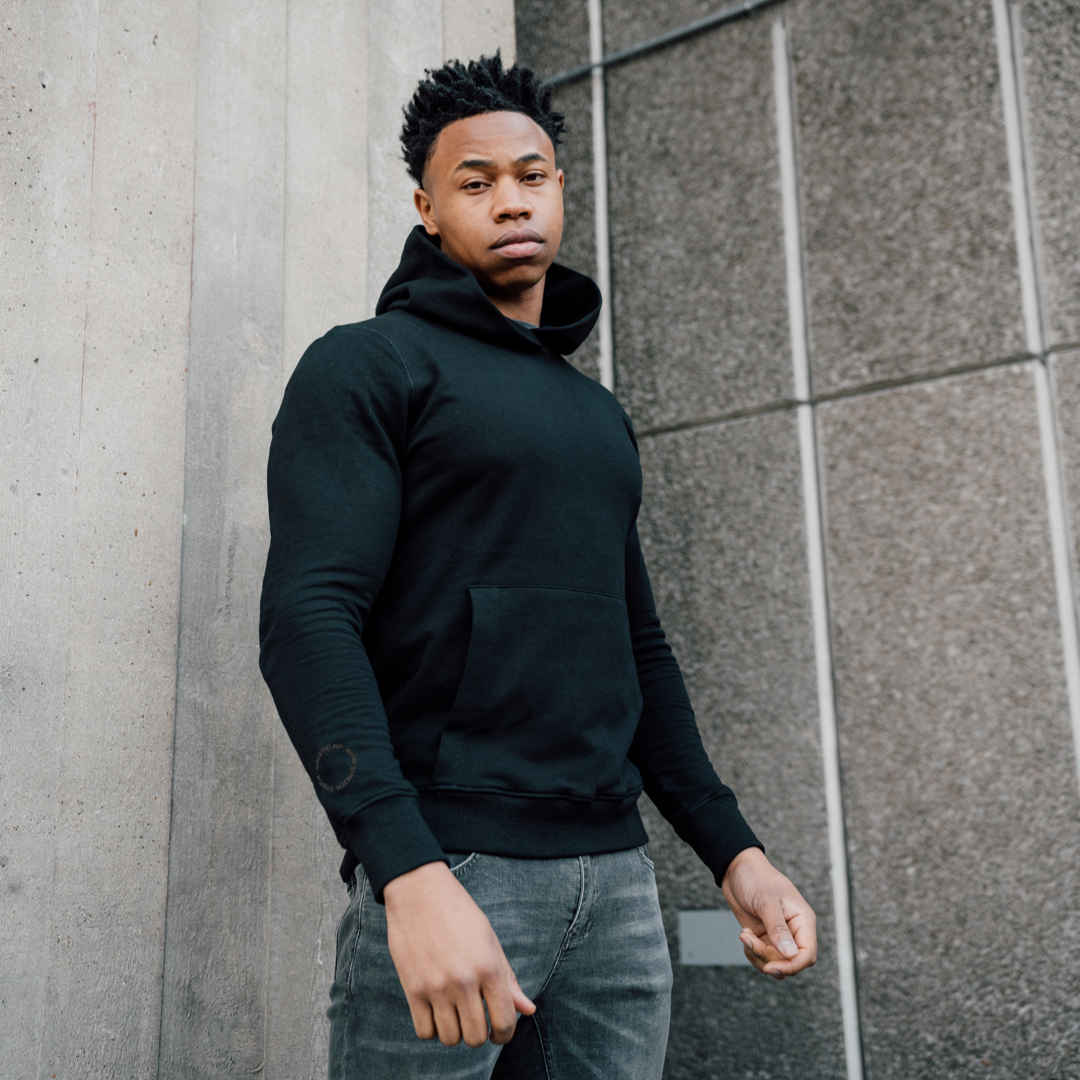
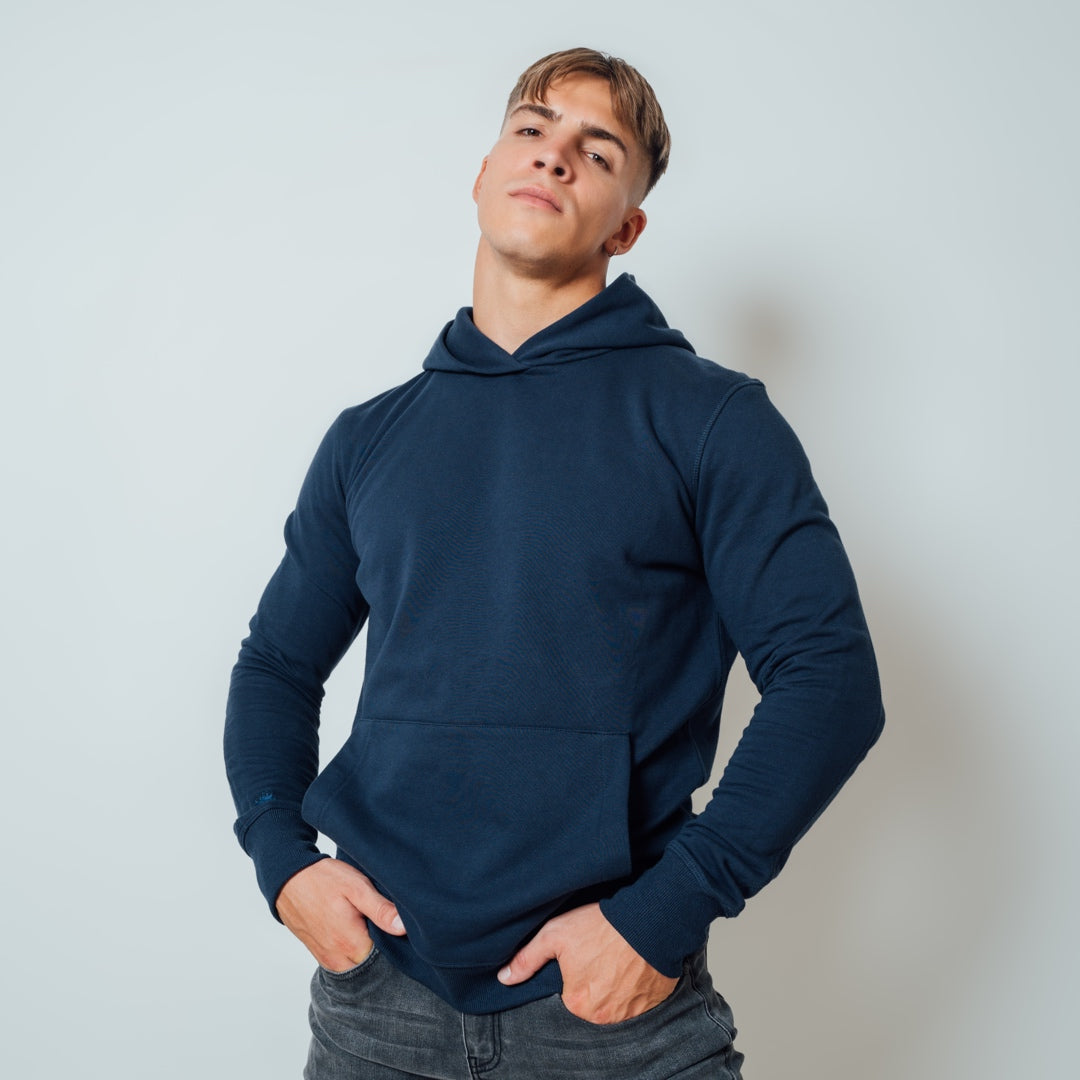
Start with the fit-check tests, measure yourself against our size guide, then choose the fabric weight that suits your training and climate. If you are ready to buy, our Muscle Fit Hoodie In Navy Blue and Muscle Fit Hoodie In Jet Black are built on the same muscle fit design and Hyper Stretch fabric as our pullovers, at £67.00 each. Get started with Fitizen and find a muscle fit pullover that moves with your training.
Frequently Asked Questions
How should a muscle fit pullover fit?
A muscle fit pullover should sit close through the chest, shoulders and arms without pulling or creating tension lines when you move. The sleeves should end around the wrist and the hem should sit at the waist or just below it. You should be able to raise your arms overhead and squat without the fabric riding up or the seams straining. If the chest fabric pulls tight across the body when you stand relaxed, size up. If the body is loose and the sleeves are long, the fit is too large for a muscle fit cut.
What is the difference between muscle fit and slim fit?
Slim fit is cut narrower overall, often with a tapered waist and less room in the body, which can restrict a large chest, shoulders or arms. Muscle fit keeps the close silhouette but adds room through the chest, shoulders and upper arms so a muscular build is not squeezed. The result is a pullover that follows the shape of the torso without tightness at the points where a muscular frame needs space. Stretch fabric in a muscle fit cut is what allows that room to still look tailored.
Which fabrics work best for a muscle fit pullover?
Cotton offers softness and breathability, while polyester adds shape retention and faster drying. French terry, a looped knit with a soft face, is a common choice for pullovers because it feels comfortable against the skin and holds a clean line. For training in warm conditions, a lighter blend breathes better; for cooler days or casual wear, a heavier knit gives more warmth and structure.
How do you care for stretch-fabric pullovers?
Air drying flat keeps the shape and prevents the knit from stretching out at the hem and cuffs. Avoid fabric softener, which can coat the fibres and reduce stretch recovery over time. Following these steps helps the pullover keep its close fit and avoid the sagging and bunching that poor care causes.
