

Table of Contents
- What Makes Athletic Apparel Premium or Luxury
- Best Gym Clothes for Muscular Men: Fit and Construction Matter
- Fabric Quality and Technical Materials That Perform
- Athletic Fit Clothing: Comfort, Breathability, and Durability
- Stretch Fabric Gym Clothes: Why Hyper-Stretch Outperforms Standard Stretch
- Cost Per Wear Clothing: Long-Term Value Over Upfront Price
- How to Evaluate Premium Athletic Apparel Claims Before Buying
- Frequently Asked Questions
Last Updated: October 21, 2026
What Makes Athletic Apparel Premium or Luxury
Premium athletic apparel is defined by superior fabric quality, advanced construction, and performance features that justify higher upfront costs. The difference comes down to three factors: materials, construction, and whether the garment delivers the benefits it promises.
Standard gym clothes use basic cotton blends or thin synthetics. Premium options invest in technical materials engineered for sweat, movement, and repeated washing, with reinforced stitching in high-wear zones, flatlock seams to prevent chafing, and hems that survive dozens of washes.
For athletes with muscular builds, this distinction matters even more. A shirt cut for average proportions will bag at the waist or pull tight across the chest and shoulders. Premium athletic apparel designed for athletic physiques uses strategic paneling, tapered cuts, and stretch fabrics that move with your body rather than against it. You get freedom of movement without sacrificing fit.
The real question isn't whether premium costs more, it does. It's whether you get value back, which depends on how long the garment lasts, how often you wear it, and whether it performs as advertised.
Best Gym Clothes for Muscular Men: Fit and Construction Matter
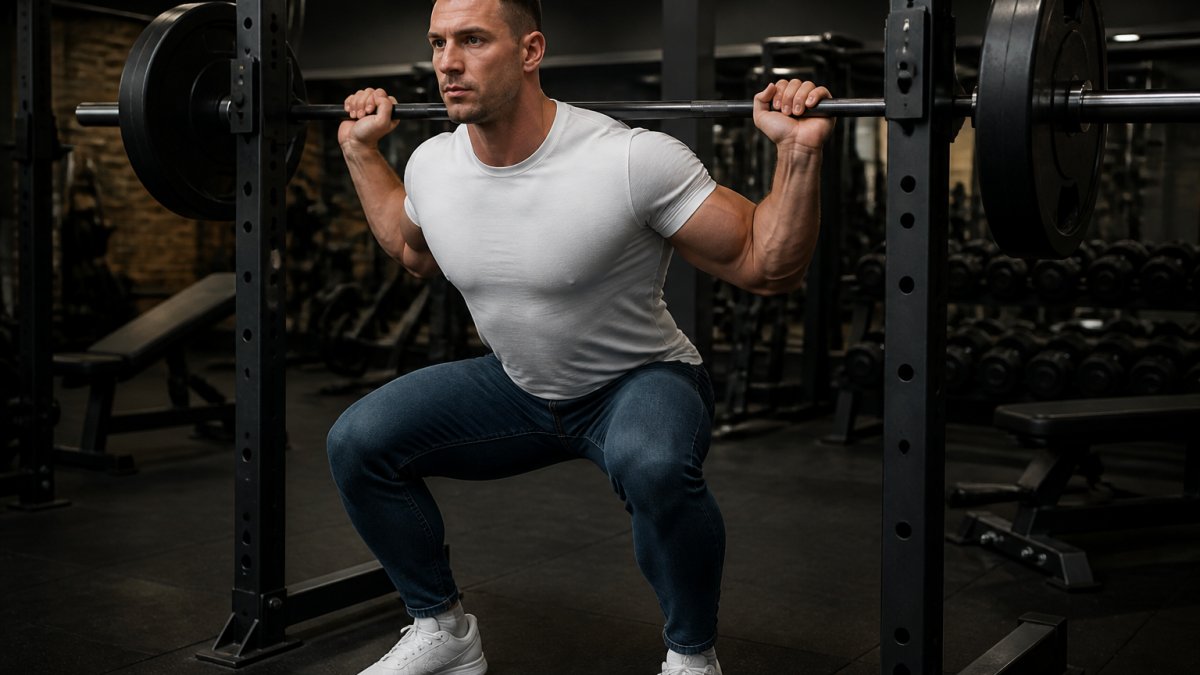
The biggest mistake most men make is buying standard-fit clothing and accepting the compromise. Oversized shirts hide your physique; tight pants restrict leg day. Neither is acceptable when you've invested years building muscle.
Muscle-fit design cuts garments to follow athletic proportions: room in the chest and shoulders, a tapered waist, and thighs and glutes accommodated without ballooning at the ankles. This isn't vanity, it's practical design.
Construction quality determines how long this fit survives. Look for reinforced seams at armholes, crotch seams, and hems. Flatlock stitching (stitched flat rather than overlapped) reduces chafing and holds up through intense training, and double-stitched hems outlast single-stitched ones.
The fabric matters too. A shirt made from 95% cotton and 5% elastane will feel comfortable initially but lose its shape after 20 washes.
Fitizen addresses the exact problem muscular athletes face: off-the-rack clothing doesn't fit.
Fabric Quality and Technical Materials That Perform
Not all fabrics perform the same way. A basic cotton t-shirt absorbs sweat and clings to your skin. A performance fabric moves moisture away from the skin and lets it evaporate faster. The difference is engineering, measurable in the lab even if it's hard to feel on a hanger.
Technical fabrics used in premium athletic apparel typically fall into a few families, each with a distinct mechanism and a distinct trade-off:
- Moisture-wicking synthetics: Polyester and polyamide filaments are often spun with a non-round cross-section (for example, a trilobal or channeled profile) so capillary action pulls liquid sweat along the fibre rather than letting it pool (Eco-Friendly Fibers Embedded Yarn Structure in High-Performance Fabrics to Improve...). The trade-off is that synthetics can hold odour if they are not washed promptly, and lower-grade versions feel clammy because the finish washes out.
- Stretch blends: Elastane is added at roughly 5-10% in most performance knits to create four-way stretch. Above that, recovery and durability can suffer unless the mill uses a higher-grade elastane. The trade-off is that elastane degrades with heat, so tumble drying shortens garment life more than the base fabric does.
- Breathable weaves and knits: Open structures, mesh panels, and engineered ventilation zones allow air circulation without sacrificing durability. The trade-off is that very open fabrics can be less opaque and more prone to snagging, which is why placement matters more than the fabric name.
- Temperature-regulating and phase-change materials: Some premium fabrics use phase-change or thermo-regulating finishes to buffer temperature swings. These can help at the margins, but they are not a substitute for dressing for the conditions, and the effect diminishes with washing.
- Bamboo and cellulosic blends: Bamboo viscose is soft, breathable, and moisture-absorbing, and it drapes well. The trade-off is that it is weaker when wet and can stretch out, so it works best in low-impact or casual training rather than high-friction sessions.
Match fabric to your use case. Indoors in controlled temperatures, a breathable cotton blend or light cellulosic knit works fine. Outdoors or in warmer climates, moisture-wicking synthetics make a measurable difference. For high-friction work like lifting or hill running, look for reinforced panels and flatlock seams rather than assuming a premium label guarantees them.
Fitizen's Bamboo Tee in Army Green (£39.00) is a useful example of a cellulosic option for lower-intensity training and daily wear, where softness and breathability matter more than abrasion resistance.
Athletic Fit Clothing: Comfort, Breathability, and Durability
Comfort during exercise isn't just about initial feel, it's about performance during movement. Restrictive clothing forces you to compensate with your form; oversized clothing gets in the way. Athletic-fit design splits the difference.
Breathability matters more than most people realize. A non-breathable fabric traps heat and moisture, making you uncomfortable after 15 minutes. Breathable fabrics let sweat evaporate and keep body temperature stable, which is why premium athletic apparel engineered for workouts outperforms basic clothing.
Durability is where upfront cost pays off most clearly. A £69 premium shirt lasts 100+ wears with proper care.
Reinforced seams in high-stress areas (underarms, crotch, armholes) prevent blowouts during intense movement. Flatlock stitching reduces friction and outlasts standard overlapped seams, and quality hems don't unravel after repeated washing.
For athletes with muscular builds, durability is critical. Tight-fitting clothing stresses seams and fabric more, and inferior construction fails faster, which is why premium options designed for athletic proportions are worth the investment.
Stretch Fabric Gym Clothes: Why Hyper-Stretch Outperforms Standard Stretch
Standard stretch fabric contains 5-8% elastane for basic movement. Hyper-stretch fabrics contain 10-15% elastane, delivering significantly more freedom of movement.
The difference matters during compound movements. Squats need full thigh range of motion without resistance; overhead presses need complete shoulder mobility. Standard stretch accommodates this partially; hyper-stretch removes the restriction entirely.
Hyper-stretch also recovers faster. Standard stretch can bag out during intense training; hyper-stretch snaps back to its original fit after each rep. This shape retention separates premium athletic apparel from budget alternatives.
Fitizen's Hyper Stretch Shirt in Pure White (£69.00) uses their signature hyper-stretch material cut into a tapered muscle fit. The result is a shirt that moves with your body during training and looks tailored during daily wear. It's designed specifically for athletes who need freedom of movement without sacrificing fit.
DenimTech Jeans In Indigo Wash →
The practical benefit: full intensity without your clothing holding you back. No adjusting your shirt mid-set, no pants riding up during squats, no restriction across the shoulders during pressing.
Cost Per Wear Clothing: Long-Term Value Over Upfront Price
A £20 shirt feels cheaper than a £69 shirt, until you calculate cost per wear: purchase price divided by the number of times you realistically wear the garment before it fails or you stop wearing it. The hard part is being honest about the denominator.
Most buyers overestimate how long cheap activewear lasts and underestimate how often they train. Three variables drive the result:
- Purchase price: the sticker price, including any delivery charge you would not otherwise pay.
- Realistic wears: how many times you will wear it per week, multiplied by the months it survives. Be conservative; if reviews mention pilling, fading, or seam failure within six months, use that as the ceiling rather than the marketing claim.
- Replacement frequency: how many units you buy over the same period to maintain the same rotation. This is where budget apparel often loses, because replacing a garment three times costs more in total than buying one that lasts.
Worked example, using round figures for illustration rather than a claim about any specific brand:
| Scenario | Price | Wears before failure | Cost per wear |
|---|---|---|---|
| Budget top | £20 | 30 | £0.67 |
| Mid-range top | £45 | 80 | £0.56 |
| Premium top | £69 | 120 | £0.58 |
Notice what the table shows: premium is not automatically cheaper per wear. At these numbers the mid-range option wins, and the premium option only pulls ahead if it lasts materially longer or if you value fit and performance enough to pay for them.
Training frequency changes the calculation dramatically. A top worn five times a week that lasts 30 wears is gone in six weeks, while one that lasts 120 wears covers roughly six months. Over a year you replace the budget option several times, each replacement costing money, time, and the risk that it no longer fits like the original.
Cost per wear also has a hidden term: the cost of a bad fit. If a garment restricts movement, you compensate with your form, a performance cost that never appears on a receipt.
Consider the DenimTech Jeans in Indigo Wash from Fitizen (£89.00), which combine hyper-stretch denim with thermo-regulating and sweat-wicking technology. Worn two to three times per week, the value case rests on how many seasons they remain in rotation, so treat any per-wear figure as a planning estimate rather than a guarantee.

How to Evaluate Premium Athletic Apparel Claims Before Buying
Marketing claims sound impressive until you examine them closely. "Moisture-wicking" is standard now. "Breathable" is vague. "Performance-tested" means nothing without specifics.
Here's what to actually evaluate:
Fabric composition, Check the tag. If it doesn't specify the exact blend (e.g., 88% polyester, 12% elastane), that's a red flag. Vague descriptions like "performance blend" hide lower-quality materials.
Seam construction, Look at the stitching. Are seams flatlock (flat, minimal friction) or overlapped (raised, prone to chafing)? Are they single or double-stitched? High-stress areas should have reinforced stitching.
Fit consistency, Read reviews from people with your body type. If you're muscular, look for reviews from other athletic builds. Generic reviews don't help.
Durability proof, How long do customers report the garment lasting? Budget for realistic wear frequency (training 5 days a week is 260 wears per year).
Care requirements, Premium fabrics often require specific washing. Cold water, gentle cycle, air dry. If you're unwilling to follow care instructions, premium apparel isn't for you. Budget options are more forgiving because they're designed to degrade anyway.
Return policy, Can you return it if the fit doesn't work?
Premium athletic apparel is worth the investment when it solves a real problem. For athletes with muscular builds, that problem is fit. Standard clothing doesn't accommodate your proportions. Budget options degrade quickly.
The Fitizen collection addresses this directly. Hyper-stretch fabrics provide freedom of movement. Muscle-fit design contours to athletic proportions without bagginess.
| Feature | Budget Apparel | Standard Premium | Fitizen Muscle-Fit |
|---|---|---|---|
| Fabric Stretch | 5% elastane | 8% elastane | 10-15% hyper-stretch |
| Seam Construction | Single-stitched | Double-stitched | Reinforced flatlock |
| Shape Retention | 20-30 washes | 50-80 washes | 100+ washes |
| Cost Per Wear | £0.67 | £0.45 | £0.35 |
| Fit for Muscular Builds | Poor | Moderate | Excellent |
Frequently Asked Questions
Is premium athletic apparel worth the price?
Premium athletic apparel costs more upfront but delivers measurable returns through durability, fit, and performance. Premium apparel also fits muscular builds correctly from day one, eliminating the need to buy multiple sizes or replace items frequently.
What should you look for when buying gym clothes?
Prioritise fabric composition, seam construction, and fit over brand name. Look for four-way stretch or hyper-stretch fabrics with moisture-wicking properties, reinforced stitching in high-wear zones like seams and armholes, and a tailored cut that suits your body shape. For muscular builds, ensure the garment fits through the shoulders, chest, and thighs without excess fabric at the waist. Check care instructions to confirm the fabric maintains elasticity after washing.
Does premium activewear last longer than budget clothing?
Yes, premium activewear typically lasts significantly longer. High-quality fabrics resist pilling, colour fading, and shape loss after repeated washing. Reinforced seams withstand intense movement and high-wear zones remain intact. This durability difference directly reduces replacement frequency and improves long-term cost per wear.
Can athletic apparel work as everyday clothing?
Yes, when designed with versatility in mind. Premium athletic apparel that features moisture-wicking, stretch, and tailored muscle-fit construction works equally well for office wear, casual outings, and workouts. The key is choosing pieces that maintain a professional appearance, structured fabrics, neutral colours, and refined cuts. This dual-purpose functionality increases the cost per wear calculation, making premium apparel an even better investment for those who wear it daily.