

Table of Contents
- Understanding Tapered Shirt Fit for All-Day Comfort
- How Should a Shirt Fit Across Key Measurements
- Tapered Fit vs Slim Fit: Which Offers Better Comfort
- Best Shirts for Muscular Men: Fabric and Stretch
- Stretch Fabric Shirts: Durability and Fit Retention
- Distinguishing a True Tapered Cut from an Overly Tight Shirt
- Tailoring and Adjustments for Optimal Tapered Fit
- Frequently Asked Questions
Last Updated: October 19, 2026
Understanding Tapered Shirt Fit for All-Day Comfort
Finding a tapered shirt fit that stays comfortable all day is one of the biggest challenges for athletic builds. Most off-the-rack options either bag out at the waist or restrict your shoulders and chest.
Whether a shirt works all day comes down to how the fabric responds to your body's shape and motion. With the right stretch and taper, you forget you're wearing it.
What Makes a Tapered Fit Different
A tapered fit is engineered for athletic proportions. Unlike regular or classic fits that hang straight down, a tapered cut follows your contours, sitting closer at the waist while keeping room through the chest and shoulders, eliminating excess fabric that bunches or looks baggy.
The key difference from a slim fit is how aggressive the taper runs. A slim fit still maintains some room for movement. A true tapered fit hugs tighter, which is why it works so well for muscular builds.
Why All-Day Comfort Matters for Athletic Builds
Muscular physiques require clothing that adapts to constant motion. Whether you're at a desk, in the gym, or walking between meetings, your shirt needs to move with you. Restrictive fabric creates fatigue; loose fabric looks sloppy and hides the physique you've built.
All-day comfort means your shirt performs in multiple settings without adjustment, no changing between work and the gym. The fabric should breathe, stretch, and return to shape without sagging.
| Fit Type | Chest Room | Waist Taper | Sleeve Fit | Best For |
|---|---|---|---|---|
| Classic | Generous | Minimal | Straight | Broader builds |
| Regular | Moderate | Slight | Straight | Average builds |
| Slim | Fitted | Moderate | Tapered | Lean builds |
| Tapered | Fitted | Aggressive | Tapered | Athletic/muscular builds |
How Should a Shirt Fit Across Key Measurements
Proper fit starts with three measurements: shoulder seam placement, chest ease, and waist definition.
Shoulder Seam and Chest Measurement
The shoulder seam should sit exactly where your shoulder ends. Too far forward and your arms feel restricted; too far back and the shirt looks oversized.
For chest measurement, you need enough ease to move freely.
Button strain is the first sign of a poorly fitted shirt. If buttons pull or gap when you sit or move your arms, the chest is too tight; size up or choose more stretch.
Waist, Sleeve Length, and Sleeve Taper
The waist should follow your natural waistline without bulging above or below the hem. For tapered fits, expect the waist to be approximately 10-15 cm smaller than the chest, providing the contoured look that flatters athletic builds.
Sleeve length should reach your wrist bone when your arm hangs naturally. Too short looks like a child's shirt; too long bunches at your wrist.
Sleeve taper determines how the sleeve fits around your arm. Muscular builds need a tapered sleeve that follows the bicep without being restrictive; too wide billows, too narrow cuts off circulation.
Collar Fit and Shirt Length When Tucked or Untucked
Your collar should sit comfortably around your neck without gapping; you should fit one finger between collar and neck when buttoned. Too tight restricts; too loose looks sloppy.
Shirt length depends on how you wear it. Tucked, the hem should reach the middle of your hip so it doesn't pull out when you move; untucked, it should hit around mid-hip for a clean line.
Many tapered shirts are cut shorter to accommodate the taper, great for gym-to-street wear, but possibly too short if you prefer traditional tucking.
Tapered Fit vs Slim Fit: Which Offers Better Comfort
Both tapered and slim fits work for athletic builds, but they serve different purposes.
Freedom of Movement and Button Strain
A slim fit offers more room than a tapered fit, meaning better freedom of movement.
Tapered fits sacrifice some movement for a more contoured look. The aggressive waist taper creates a head-turning silhouette, but you trade comfort for appearance, which matters most when you need maximum mobility, like during training.
Button strain happens when the chest measurement is too tight. A slim fit is less likely to cause it; with a tapered fit, size correctly or choose a fabric with significant stretch.
Ease of Movement for Sitting and Active Tasks
Sitting comfort is where most men struggle with tapered fits.
For active tasks like reaching, lifting, or climbing stairs, you need shoulder and arm freedom. Tapered sleeves can feel restrictive if cut too narrow; slim fit sleeves offer more room without the bulk of a regular fit.
Test both styles in real situations before deciding: sit at a desk, reach overhead, walk around. The best fit performs across all these movements without adjustment.
Best Shirts for Muscular Men: Fabric and Stretch
Fabric choice determines whether a tapered shirt stays comfortable all day or becomes restrictive by afternoon. The right material stretches to accommodate your muscles while maintaining shape.
Hyper-Stretch Fabrics and Breathability
Hyper-stretch fabrics are engineered for athletic builds, typically combining cotton with elastane (usually 5-10%) for maximum flexibility, letting the shirt move with your body instead of against it.
Breathability matters as much as stretch. A fabric that stretches but traps heat will leave you sweating by mid-morning.
The Hyper Stretch Shirt in Pure White from Fitizen is built with this principle. It combines stretch capability with breathability, so you stay comfortable whether you're in the office or the gym.

Cotton Blends, Gracell Fibre, and Moisture Management
Cotton remains the gold standard for all-day comfort because it breathes naturally.
Gracell fibre, made from wood pulp, offers an alternative to traditional cotton. It has natural moisture-wicking properties, a silky feel, and natural stretch, so less elastane is needed for comfort.
Hyper Stretch Shirt In Pure White →
Moisture management is crucial for all-day wear. Fabric that traps sweat becomes uncomfortable and develops odours quickly; cotton and Gracell-based fabrics shed moisture naturally, keeping you fresher.
The Formal Shirt in Pure White uses Gracell fibre combined with stretch technology.
Stretch Fabric Shirts: Durability and Fit Retention
Stretch fabrics are only worth buying if they hold up to repeated wear and washing. Poor-quality stretch shirts lose their shape within weeks. Understanding how stretch fabrics perform helps you invest in pieces that last.
How Stretch Fabrics Perform After Washing
Quality stretch fabrics maintain their shape through dozens of washes. The elastane fibres are engineered to recover after stretching. However, improper care can damage them. Hot water, high heat drying, and harsh detergents break down elastane faster.
Most stretch shirts lose about 5-10% of their elasticity after the first wash. This is normal. They should stabilise after that and maintain consistent stretch for months.
Fit retention is where many cheap stretch shirts fail. The waist starts to sag, the chest loses its contoured shape, and the sleeves become loose.
Care and Maintenance for Long-Term Comfort
Washing in cold water with mild detergent extends the life of stretch fabrics. Avoid fabric softener, which coats the fibres and reduces elasticity. Hang dry or tumble dry on low heat.
Turn the shirt inside out before washing. This reduces friction and fading. Wash with similar colours to prevent dye transfer.
Store stretch shirts flat or on hangers, never crammed into tight spaces. Elastane fibres can permanently deform if compressed for long periods. Proper storage maintains fit consistency across multiple wears.
Distinguishing a True Tapered Cut from an Overly Tight Shirt
The line between a well-fitted tapered shirt and one that's too tight is thin. Many men buy tight shirts thinking they're tapered. This leads to discomfort, button strain, and premature fabric failure.
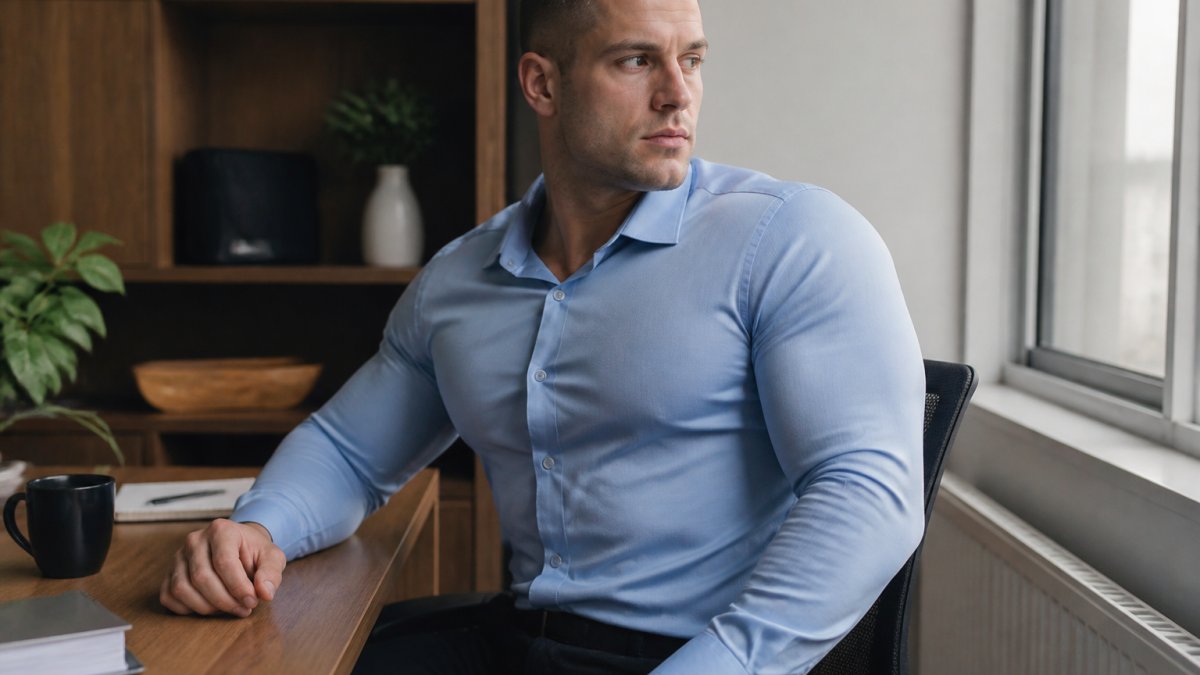
The All-Day Wear Test: Comfort Indicators
The best way to tell if a shirt is truly tapered or just too tight is the all-day wear test.
A properly tapered shirt should feel comfortable through all these movements.
An overly tight shirt creates obvious discomfort signals. You'll feel pressure across your chest when sitting. Reaching becomes difficult. Buttons create visible strain lines.
The fabric should also move smoothly against your skin without binding. If you feel the shirt pulling or creating friction points, it's too tight.
Body Shape Fit Guidance by Activity and Setting
Different activities require different fit considerations. For office work, prioritise comfort over the sculpted look.
For gym-to-street wear, a tapered fit works well because you're moving frequently. Active movement prevents the waist taper from feeling restrictive. The contoured look complements your physique in both settings.
For professional presentations or public appearances, balance aesthetics with comfort. A tapered fit looks sharp, but only if you can move confidently.
Women with curvy athletic builds should apply the same logic. A tapered fit works well for highlighting your physique while maintaining comfort.
Tailoring and Adjustments for Optimal Tapered Fit
Sometimes the perfect fit requires minor tailoring.
Sleeve length is the easiest adjustment. A tailor can shorten or lengthen sleeves by up to an inch without affecting the taper.
Waist tapering is possible but more complex. A tailor can take in the sides to create a more aggressive taper.
Shoulder seam adjustments are difficult and expensive. Unless the seam is significantly off, it's usually not worth tailoring.
Button replacement can improve fit perception. Moving buttons outward slightly can reduce strain across the chest.
Finding all-day comfort in a tapered shirt fit doesn't require settling for baggy alternatives. These shirts feature hyper-stretch fabrics that provide total freedom of movement while maintaining the tapered muscle fit that complements your physique.
Frequently Asked Questions
What is the difference between a tapered fit and a slim fit shirt?
A tapered shirt fit progressively narrows from the chest through the waist and sleeves, following your body's natural contours without restricting movement. A slim fit is more uniform in width and offers less gradual tapering. For muscular builds, a tapered fit provides better all-day comfort because it accommodates larger shoulders and chest whilst still fitting snugly through the waist, whereas a slim fit can create button strain across the chest or feel too tight in the arms.
How should a shirt fit to stay comfortable throughout the day?
A comfortable shirt should have the shoulder seam sitting at your actual shoulder point, not extending onto your arm. Your chest measurement should allow roughly one finger's width of ease when buttoned. The waist should taper without pulling, and sleeves should end at your wrist bone with enough room to bend your arms freely. When seated, there should be no pulling across the back or front. A hyper-stretch fabric shirt at £69.00 can accommodate these measurements whilst maintaining all-day comfort for athletic builds.
Can a tapered shirt fit comfortably over muscular arms and shoulders?
Yes, if designed with sufficient stretch and proper sleeve taper. The key is choosing a tapered fit shirt made with hyper-stretch fabric or high-tenacity blends like Gracell fibre, which offer the structure of a tailored shirt whilst accommodating muscular proportions. The sleeve taper should narrow gradually from shoulder to wrist rather than cutting off circulation. Test by raising your arms: you should have full freedom of movement without the shirt riding up or button plackets straining.
What fabric makes a fitted shirt more comfortable for all-day wear?
Hyper-stretch fabrics and blends incorporating Gracell fibre (made from wood pulp) provide silky softness with super-high tenacity and stretch capabilities, making them ideal for all-day comfort. These fabrics offer superior breathability and moisture management compared to standard cotton, reducing sweat buildup during activity and sitting. They also maintain their shape after washing, so your tapered fit doesn't relax or sag after repeated wear, keeping you looking sharp from morning to evening.